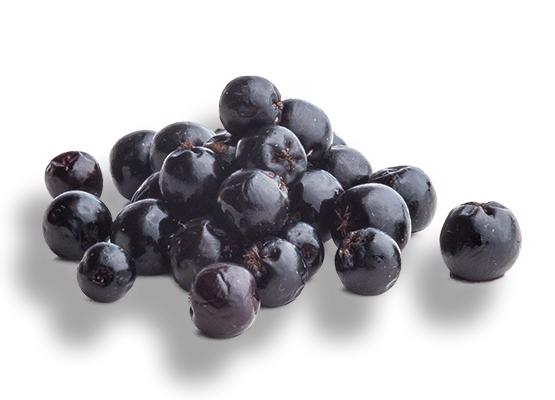
What is Aronia?
Aronia melanocarpa is a berry-producing shrub which is generating major interest among health scientists. The aronia berry is one of the richest sources of anthocyanins in the plant kingdom.
Originating in North America, this deciduous shrub was known by native North Americans for its health and healing qualities. From a springtime mass of white blossom the plant produces clusters of deep purple berries, tart to taste but conferring an array of potential health benefits modern science is just beginning to understand.
Why Aronia?
There is increasing scientific evidence suggesting that Aronia may provide you with a natural key to better health. Consuming Aronia may reduce your pharmaceutical dependence and move you to a more natural nutraceutical form of health maintenance.
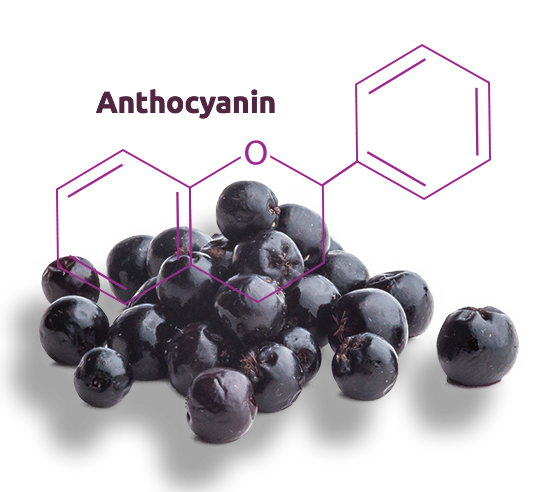
Key to this is that Aronia is perhaps the world’s richest available source of anthocyanins. Anthocyanins are critical modulators of many physiological processes. There is strong evidence that anthocyanin-rich foods confer a wide range of health benefits including: antioxidant, anti-inflammatory, cardiovascular protection, neuroprotection / improved cognitive function, diabetes & obesity control, cancer inhibition and enhanced exercise recovery.
Why Aronia from Berryactives?
Berryactives Aronia has an extraordinary anthocyanin and antioxidant profile.
Berryactives’ Aronia has “amongst the highest antioxidant activity (as measured by the ORAC assay) of any berryfruit measured to date”.
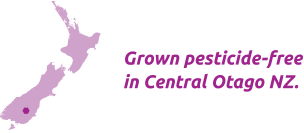
Berryactives Aronia is grown pesticide-free in Central Otago, New Zealand – an area renowned for its pristine land, lakes and rivers. The fruit’s remarkable antioxidant profile is attributed to the region’s high UV light levels.
Berryactives Aronia has been independently analysed for its nutritional and antioxidant properties by The New Zealand Institute for Plant & Food Research Ltd - a New Zealand government-owned Crown Research Institute.
Berryactives offers 100% freezedried Aronia. The product contains no additives, no extracts and no preservatives.
Comparison of antioxidant activity of some common fruit
(all results expressed per 100 g on a fresh weight basis)
| ORAC (umol/100 g FW) |
|
| Apple | 2,210-4,275 |
| Apricot | 1,115 |
| Banana | 879 |
| Blackcurrrant | 10,144 |
| Blueberry | 6,552 |
| Cherry, sour | - |
| Cherry, sweet | 3,365 |
| Chokeberries (Aronia)(Central Otago) |
19,719 |
| Cranberry | 9,584 |
| Elderberry | 14,697 |
| Grape | 1,118 - 1,260 |
| Kiwifruit, green | 882 |
| Kiwifruit, gold | 1,210 |
| Plum | 7,581 |
| Raspberry | 4,882 |
| Sea buckthorn berries (Central Otago) | 10,040 |
| Strawberry | 3,577 |
ORAC = Oxygen Radical Absorbance Capacity
(data from USDA ORAC database 2007, in most case total ORAC)
Adapted from: Lister CF, Andrews FM. Nutritional and antioxidant properties of chokeberries and seabuckthorn berries. A Report prepared for Al Nawa Karraz Ltd . The New Zealand Institute for Plant & Food Research Ltd. 2009